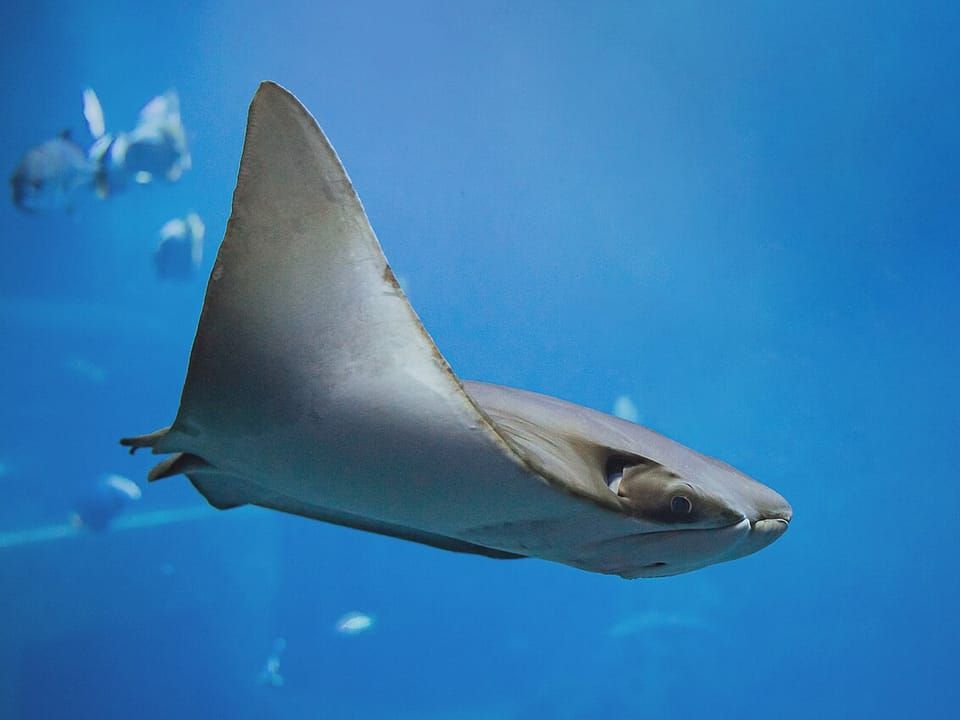
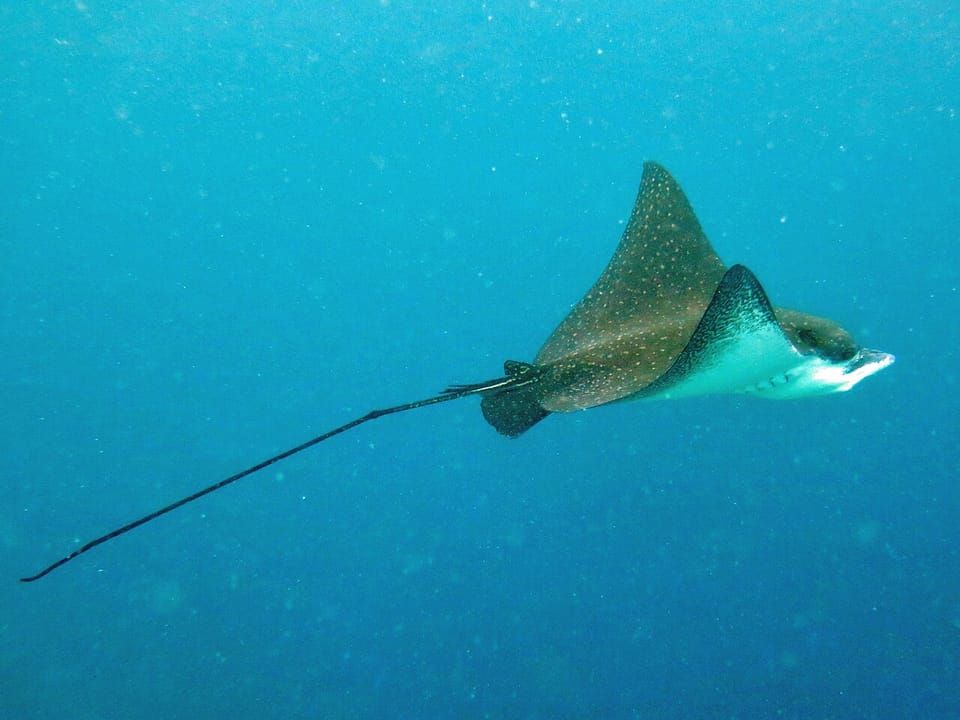
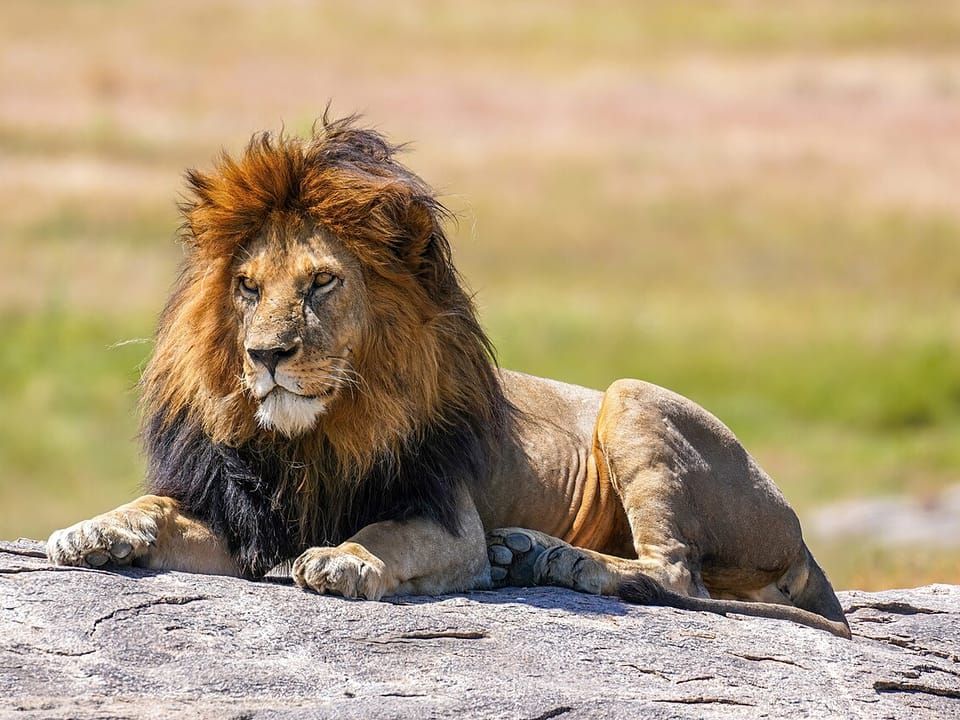
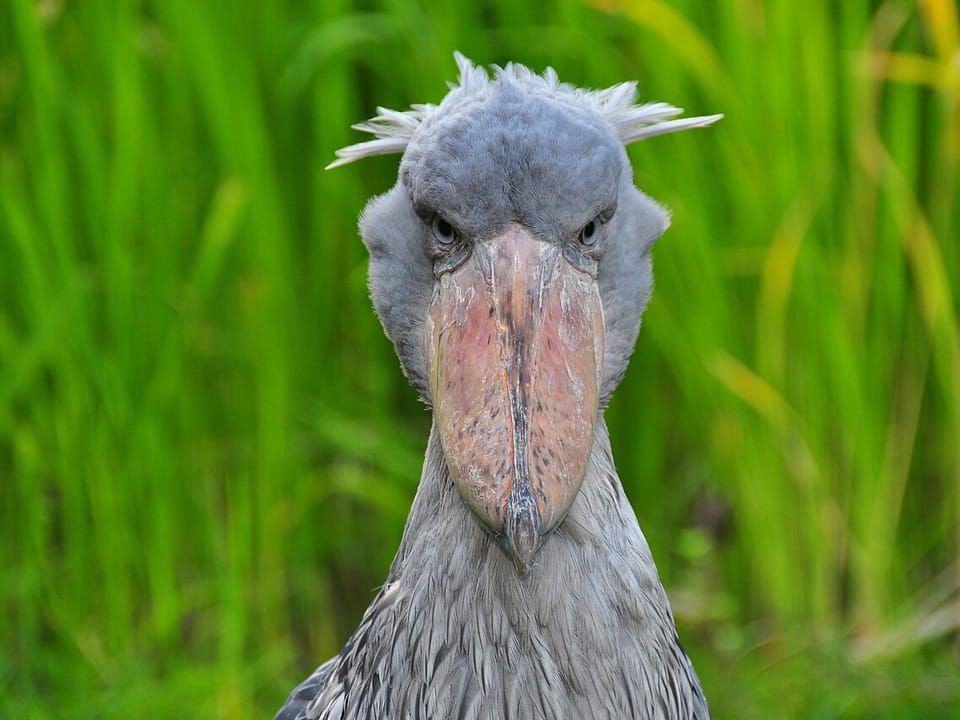
Every species in Frontier's Zoopedia has a minimum habitat. A Lion needs 810 m² of land for one adult and 110 m² for each lion after the first, 10 m² of shelter per animal, a grade 3 barrier at least 3 m high, and a comfortable temperature of 14 to 41 °C. Use the calculator for your group size, or scan the 136-species tables below.
What this page adds
Frontier's Zoopedia shows one species per page and only the total for one animal. We read all 136 pages and put the figures that decide a build side by side: the land for one animal, what each extra animal adds, shelter, barrier, temperature and group size. The totals for your group size come from the same arithmetic the Zoopedia's habitat builder uses. We found it in the page code, then checked it against the numbers it shows for a single animal.
Habitat size calculator
Pick a species and how many animals you plan to keep. The result lists every space the Zoopedia asks for, the barrier, the temperature and the group limits, all as Frontier lists them. It runs in your browser and sends nothing.
Worked examples
The same arithmetic for six common plans. Land is the figure for one animal plus the extra-animal figure for each animal after the first.
Space for a planned group, from the Zoopedia figures, 20 October 2026
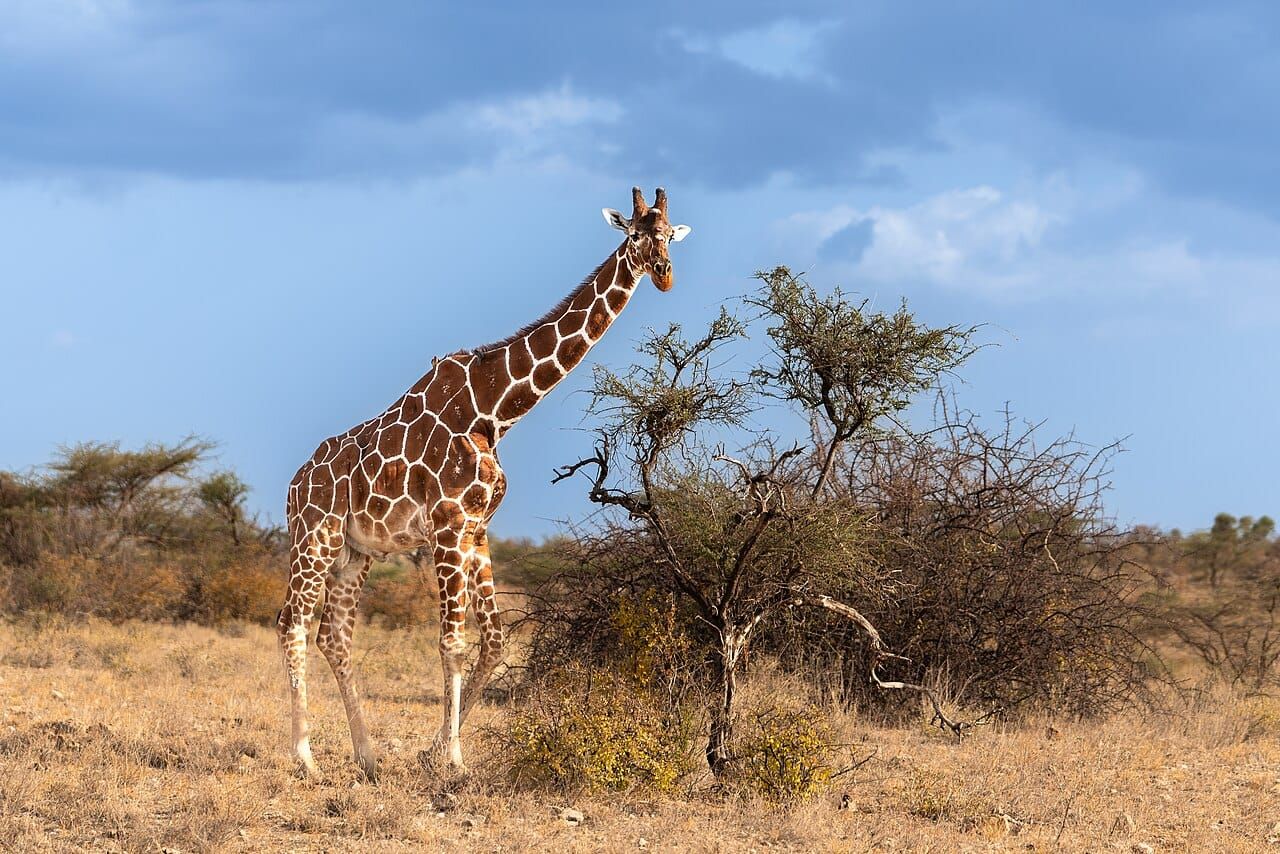
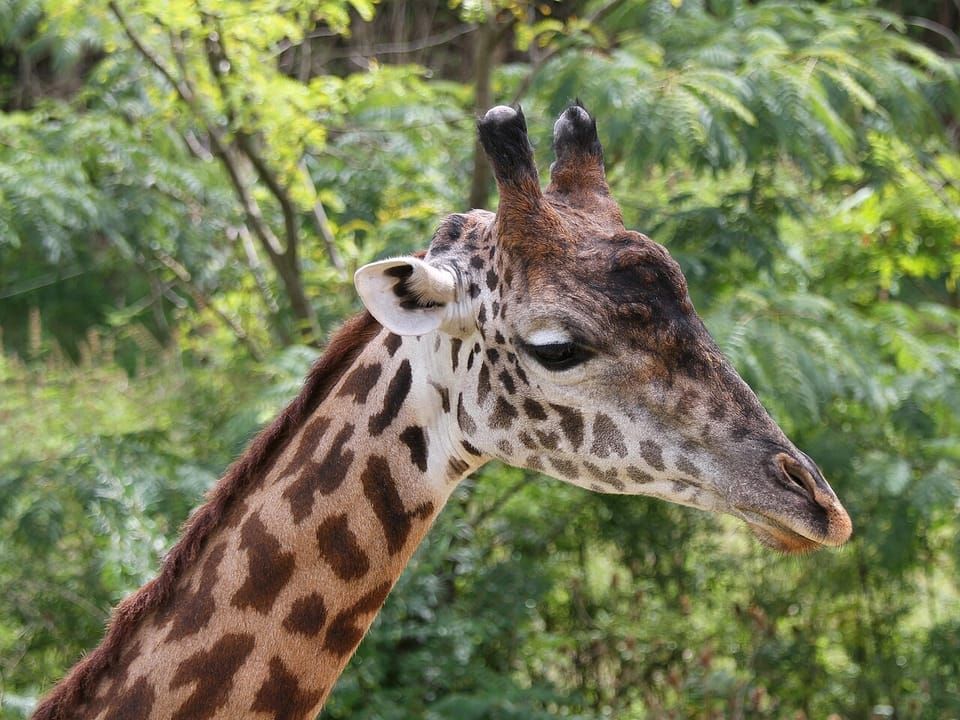
Giraffes are the biggest start. For one animal, the Masai Giraffe and the Reticulated Giraffe each need 1,500 m² of land, ahead of the Grey Wolf at 1,162 m² and the Western Lowland Gorilla at 1,160 m². The Zoopedia prefers giraffes in groups of at least 3, so the real opening bill is 1,750 m², more than any other habitat species needs at its preferred minimum group.
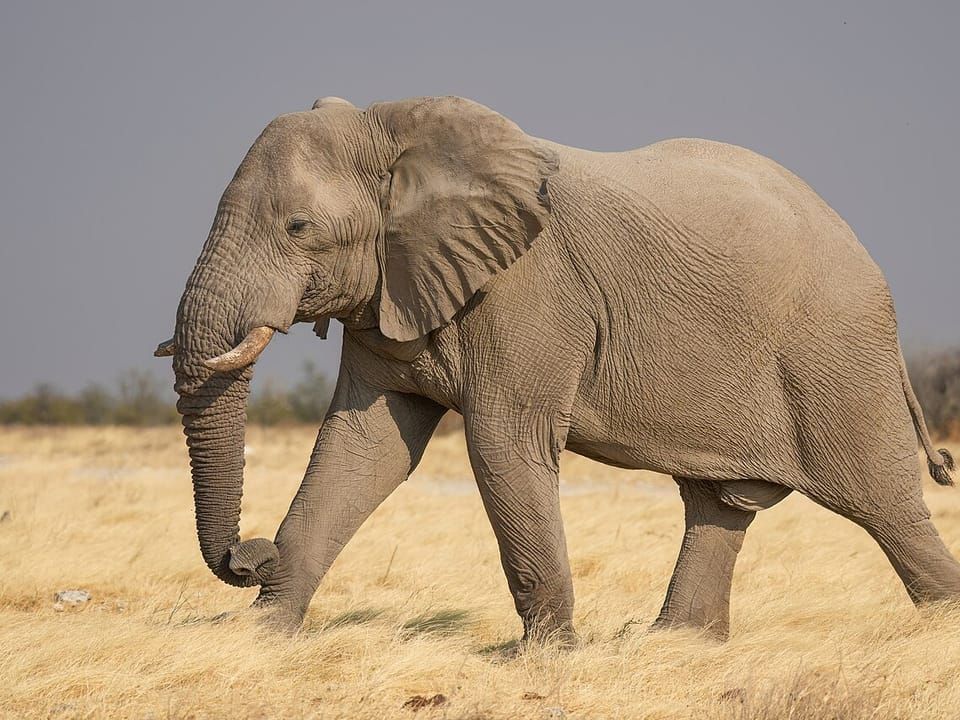
Some animals get no herd discount. African Savannah Elephant, Asian Elephant, Black Rhinoceros, Common Ostrich, Komodo Dragon and Sunda Pangolin each add as much land per extra animal as the first one needed. A pair of African Savannah Elephants therefore needs 1,004 m², and every Black Rhinoceros you add costs another 770 m².
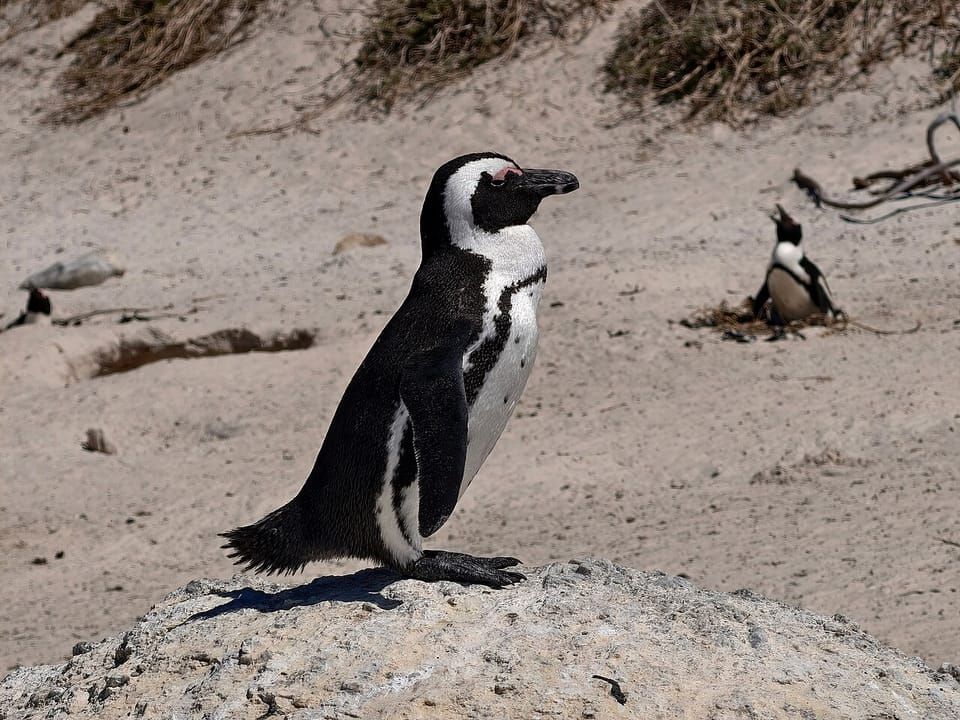
Packs and flocks share space. The Grey Wolf starts at 1,162 m² but adds only 92 m² per extra wolf, and the African Penguin adds 3 m² per extra bird, so a colony of 20 fits in 237 m².
The smallest habitats still need tall fences. The Sunda Pangolin needs 35 m² and the Golden Lion Tamarin 55 m², the two smallest of the 57 habitat species. Both also need a barrier 3 m high and carry the climb-proof flag.
Barriers. Of the 57 habitat species, 5 need grade 1, 32 grade 2, 14 grade 3 and 6 grade 4. 21 need a barrier at least 3 m high. Frontier's data also flags 18 species as climb-proof; the Zoopedia page itself does not print that flag.
Temperature decides the biome. The Bactrian Camel has the widest band, 80 °C wide (-40 to 40 °C). 17 habitat species share the narrowest, 15 °C wide, including Asian Small-Clawed Otter, Binturong, Galápagos Giant Tortoise and Golden Lion Tamarin. Set their biome first and fit the wider species around it.
Habitat animals: land, barrier, temperature and group size
57 species live in standard habitats. "Land" is the area for one animal; "each extra" is what every animal after the first adds. Sort by any heading; the search box filters every table on this page.
Showing 136 of 136 species
Show the table: all 57 habitat species
Planet Zoo 2 habitat species: minimum space, barrier, temperature and group size, Frontier's Zoopedia, 20 October 2026
Other space (m², each extra)
Climb-proof flag
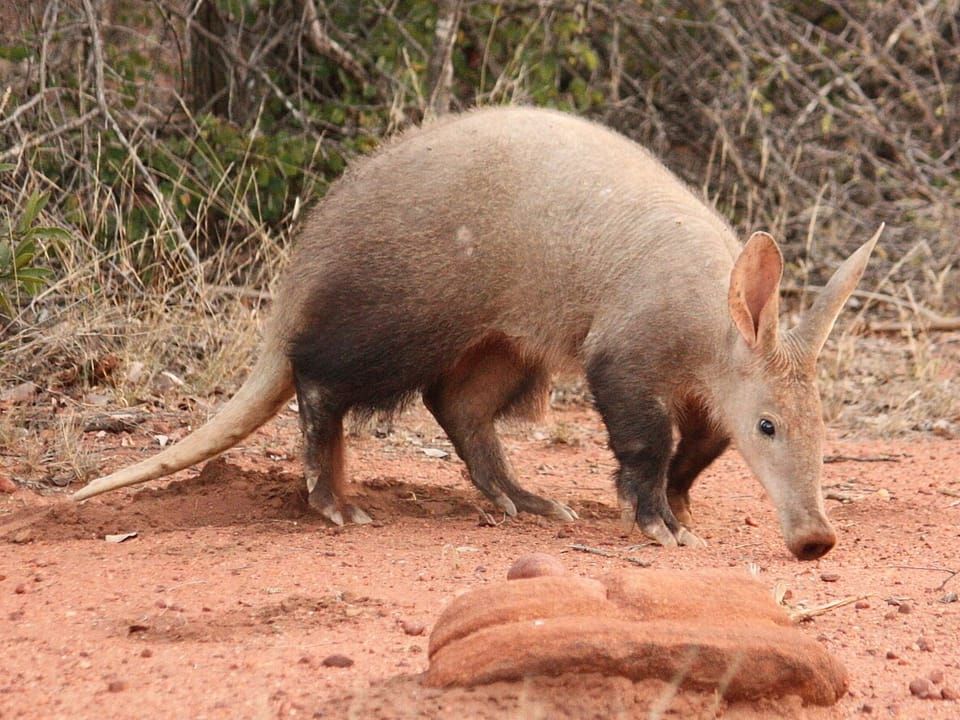
Aardvark
160
80
10
none
Grade 2, 1 m
No
14 to 36
1 to 2
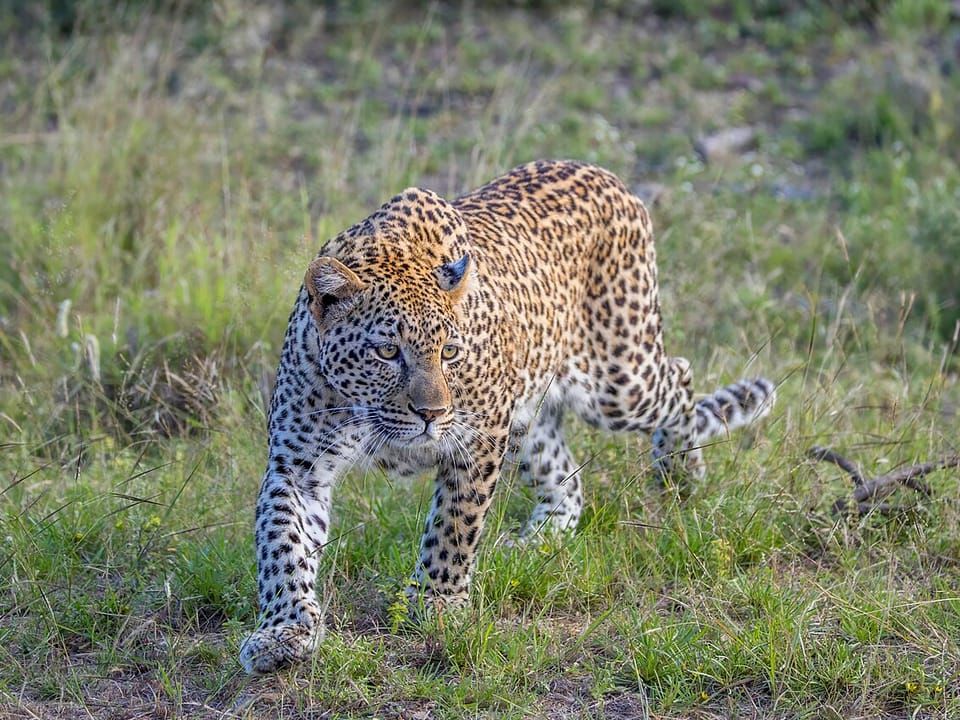
African Leopard
705
110
10
climbable 45 (+15)
Grade 3, 3 m
Yes
14 to 36
1 to 2
African Penguin
180
3
2
deep water 67 (+2); aquatic 135 (+2)
Grade 2, 1 m
No
3 to 36
6 to 500
African Savannah Elephant
502
502
56
aquatic 25 (+25)
Grade 4, 3 m
No
14 to 36
2 to 16
African Wild Dog
930
100
10
none
Grade 2, 3 m
No
14 to 36
2 to 27
Asian Elephant
376
376
55
aquatic 25 (+25)
Grade 4, 3 m
No
14 to 36
3 to 30
Asian Small-Clawed Otter
120
30
5
deep water 30 (+8); aquatic 40 (+12)
Grade 2, 1.25 m
No
18 to 33
2 to 15
Bactrian Camel
650
100
n/a
none
Grade 2, 1.25 m
No
-40 to 40
2 to 11
Binturong
182
18
4
climbable 60 (+16)
Grade 2, 3 m
Yes
18 to 33
1 to 5
Black Rhinoceros
770
770
40
none
Grade 4, 2 m
No
14 to 41
1 to 3
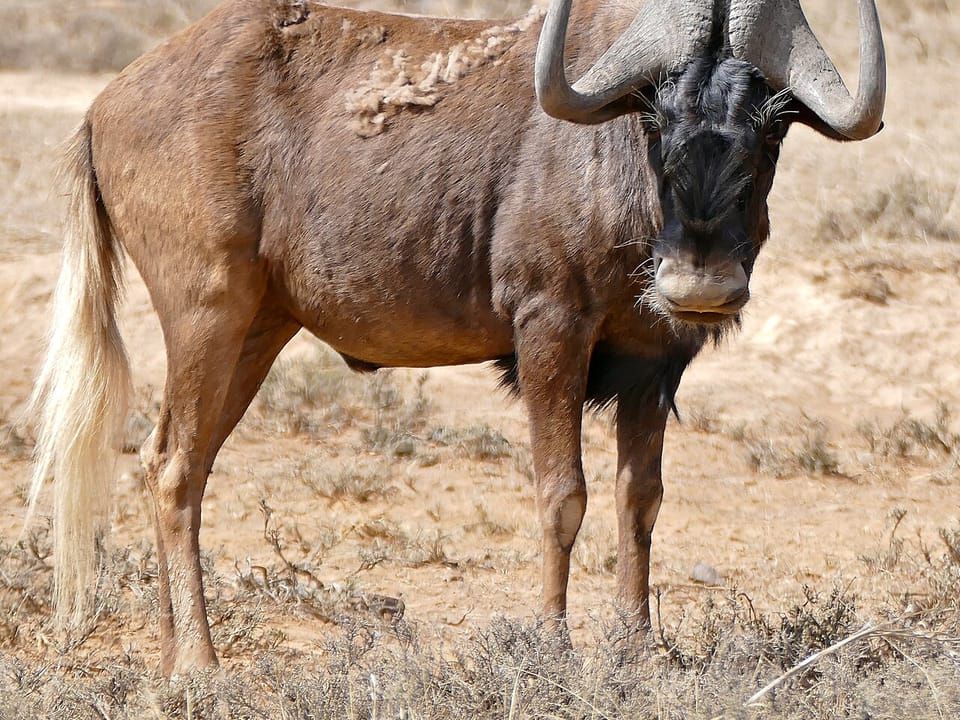
Black Wildebeest
410
40
10
none
Grade 2, 1.25 m
No
14 to 36
4 to 20
Blue Wildebeest
410
40
10
none
Grade 2, 1.25 m
No
14 to 36
4 to 20
Cape Buffalo
420
90
15
aquatic 20 (+10)
Grade 3, 1.25 m
No
14 to 36
3 to 15
Common Hippopotamus
502
251
35
aquatic 502 (+251)
Grade 4, 2 m
No
14 to 36
3 to 30
Common Ostrich
300
300
10
none
Grade 2, 1.25 m
No
14 to 36
1 to 8
Common Warthog
290
10
10
none
Grade 2, 1.25 m
No
14 to 36
1 to 7
Eurasian Beaver
300
35
5
deep water 45 (+15); aquatic 210 (+26)
Grade 2, 1.25 m
No
-5 to 30
2 to 8
Eurasian Brown Bear
970
145
30
aquatic 30 (+5)
Grade 3, 3 m
Yes
-15 to 28
1 to 2
Eurasian Lynx
615
165
10
climbable 20 (+5)
Grade 2, 3 m
Yes
-25 to 28
1 to 3
European Bison
420
105
15
none
Grade 3, 1.25 m
No
-15 to 28
2 to 13
Galápagos Giant Tortoise
230
5
10
none
Grade 1, 1 m
No
18 to 33
1 to 4
Gemsbok
270
40
10
none
Grade 2, 1.25 m
No
14 to 41
5 to 10
Gharial
110
16
n/a
deep water 120 (+52); aquatic 300 (+30)
Grade 2, 1 m
No
14 to 41
1 to 7
Giant Panda
650
150
15
none
Grade 4, 2 m
Yes
14 to 33
1 to 10
Golden Lion Tamarin
55
15
2
climbable 15 (+5)
Grade 1, 3 m
Yes
18 to 33
2 to 8
Goodfellow's Tree-Kangaroo
200
50
7.5
climbable 20 (+10)
Grade 1, 1 m
Yes
18 to 33
1 to 2
Grey Wolf
1,162
92
10
none
Grade 3, 3 m
No
-18 to 29
2 to 12
Grizzly Bear
970
145
30
aquatic 30 (+5)
Grade 4, 2 m
Yes
-15 to 28
1 to 2
Komodo Dragon
285
285
25
aquatic 15 (+15)
Grade 2, 1 m
No
18 to 33
1 to 2
Lion
810
110
10
none
Grade 3, 3 m
Yes
14 to 41
2 to 30
Malayan Tapir
430
56
12
aquatic 37 (+19)
Grade 2, 1.25 m
No
18 to 33
1 to 2
Masai Giraffe
1,500
125
25
none
Grade 2, 1.25 m
No
12 to 36
3 to 12
Meerkat
180
14
2
none
Grade 1, 1.25 m
No
14 to 41
2 to 30
Mountain Hare
200
90
5
none
Grade 1, 1.25 m
No
-30 to 25
1 to 5
Nile Monitor
220
40
n/a
aquatic 30 (+15)
Grade 2, 0.5 m
No
20 to 41
1 to 3
North Sulawesi Babirusa
350
150
10
none
Grade 2, 1.25 m
No
18 to 33
1 to 5
Nyala
340
40
10
none
Grade 2, 1.25 m
No
14 to 41
1 to 5
Plains Zebra
460
140
10
none
Grade 2, 1.25 m
No
14 to 36
3 to 6
Przewalski's Horse
460
140
10
none
Grade 2, 1.25 m
No
-26 to 36
3 to 8
Red Deer
360
45
10
none
Grade 2, 1.25 m
No
-5 to 28
3 to 9
Red Panda
160
80
5
climbable 60 (+20)
Grade 2, 3 m
No
-6 to 28
1 to 2
Reticulated Giraffe
1,500
125
25
none
Grade 3, 2 m
No
12 to 36
3 to 12
Ring-Tailed Lemur
210
8
2
climbable 20 (+4)
Grade 2, 3 m
Yes
18 to 33
3 to 30
Sable Antelope
450
60
12.5
none
Grade 2, 1.25 m
No
14 to 36
3 to 11
Saltwater Crocodile
155
15
n/a
deep water 30 (+7.5); aquatic 75 (+25)
Grade 3, 1 m
No
18 to 33
1 to 7
Siamang
240
40
10
climbable 60 (+20)
Grade 2, 3 m
Yes
18 to 33
2 to 6
Snow Leopard
705
110
10
none
Grade 2, 3 m
Yes
-25 to 10
1 to 2
Spotted Hyena
940
180
10
none
Grade 3, 3 m
No
14 to 41
2 to 3
Springbok
425
55
11
none
Grade 2, 1.25 m
No
14 to 41
3 to 36
Sumatran Orangutan
780
50
15
climbable 120 (+40)
Grade 3, 3 m
Yes
18 to 33
1 to 6
Sumatran Tiger
705
110
10
climbable 30 (+10); aquatic 40 (+10)
Grade 3, 3 m
Yes
18 to 33
1 to 2
Sun Bear
920
135
20
climbable 30 (+15); aquatic 30 (+15)
Grade 3, 3 m
Yes
18 to 33
1 to 2
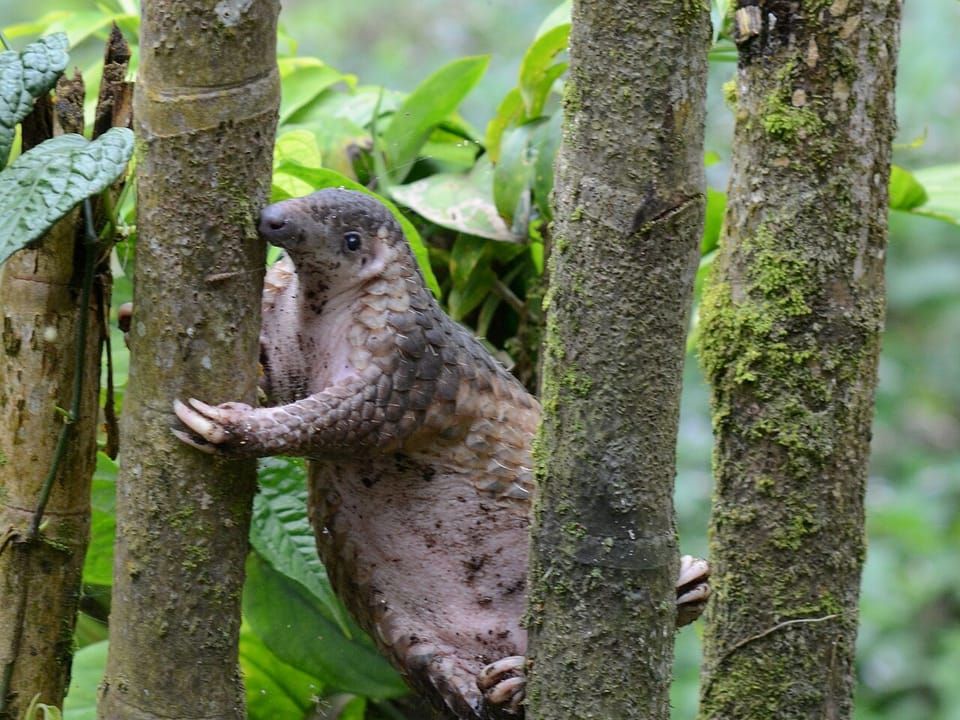
Sunda Pangolin
35
35
5
climbable 16 (+4)
Grade 2, 3 m
Yes
18 to 33
1 to 2
Thomson's Gazelle
425
55
11
none
Grade 2, 1.25 m
No
14 to 36
3 to 36
Western Chimpanzee
780
50
10
climbable 80 (+30)
Grade 3, 3 m
Yes
18 to 33
5 to 15
Western Lowland Gorilla
1,160
80
15
climbable 40 (+20)
Grade 3, 3 m
Yes
18 to 33
3 to 6
Wild Boar
310
15
10
none
Grade 2, 1.25 m
No
-6 to 36
3 to 30
Aviary birds: land and flight space
The 12 fully flying birds need land and a flight area. The Toco Toucan needs 50 m² of land and 20 m² of flight space for one bird, and 25 m² and 10 m² for each extra.
The 12 aviary birds
Planet Zoo 2 aviary species: land, flight space, barrier, temperature and group size, Frontier's Zoopedia, 20 October 2026
Barrier
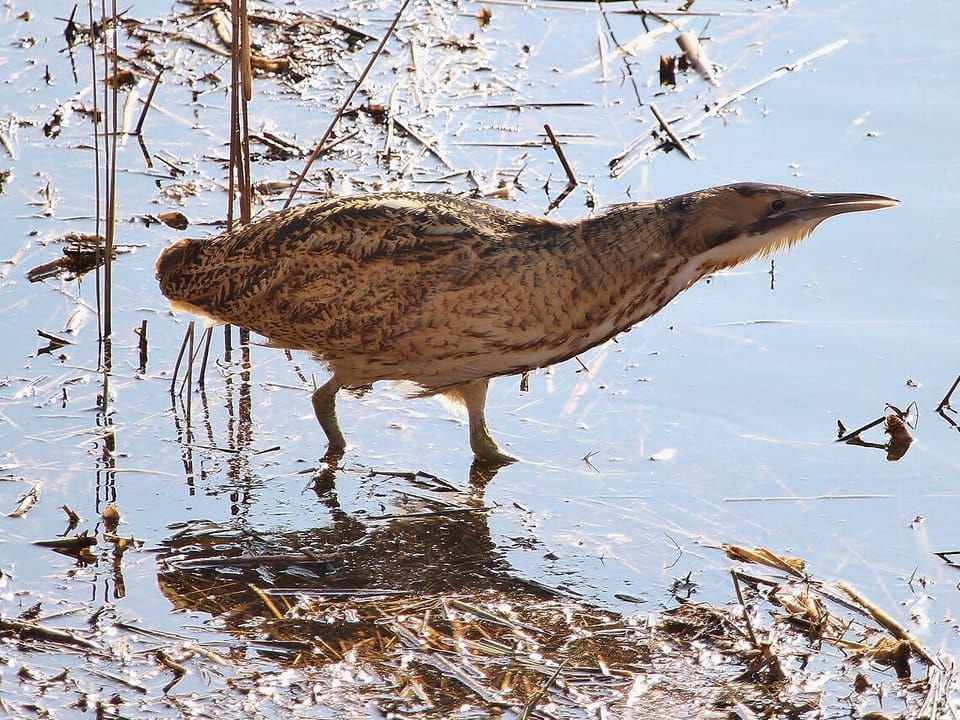
Eurasian Bittern
40
40
20
20
10
Grade 2, 1 m
-6 to 25
1 to 2
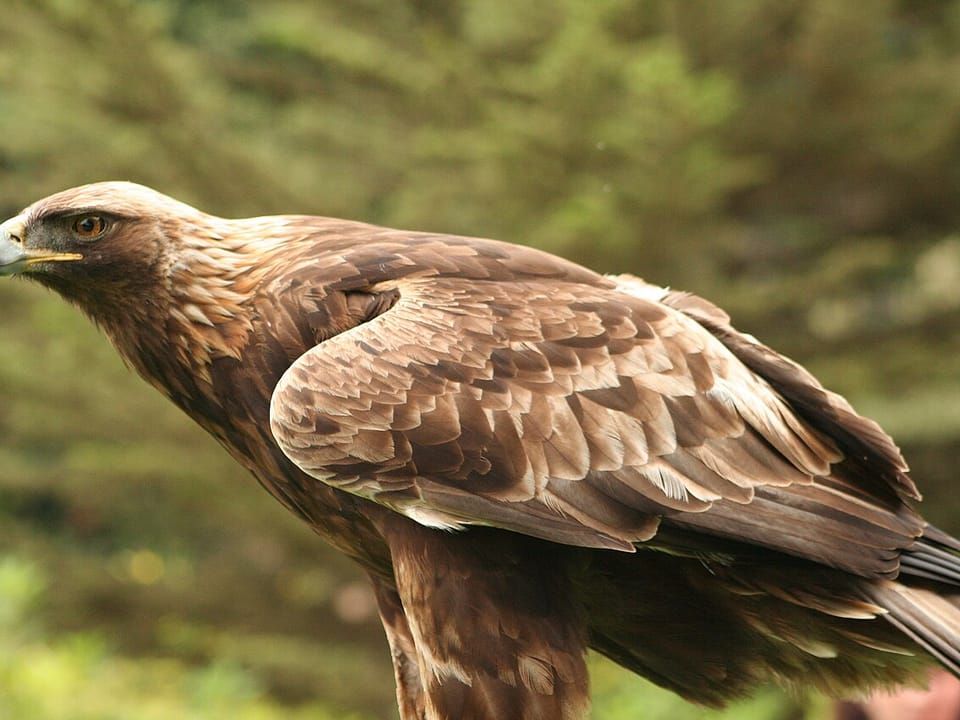
Golden Eagle
400
200
50
50
10
Grade 2, 1 m
-30 to 30
1 to 2
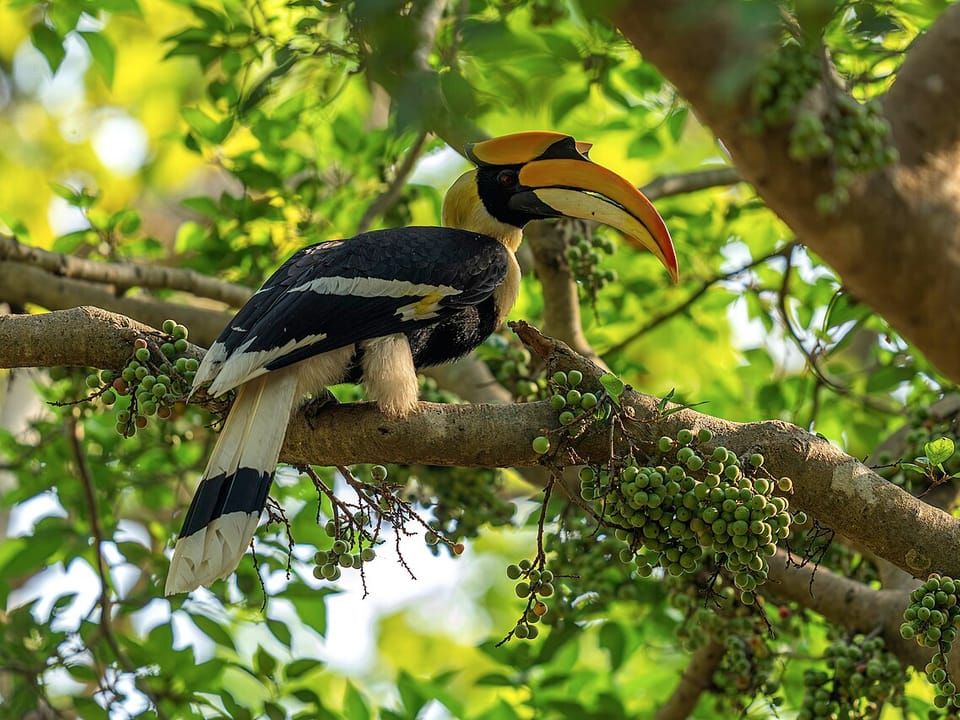
Great Hornbill
80
40
50
20
5
Grade 2, 1 m
18 to 33
2 to 10
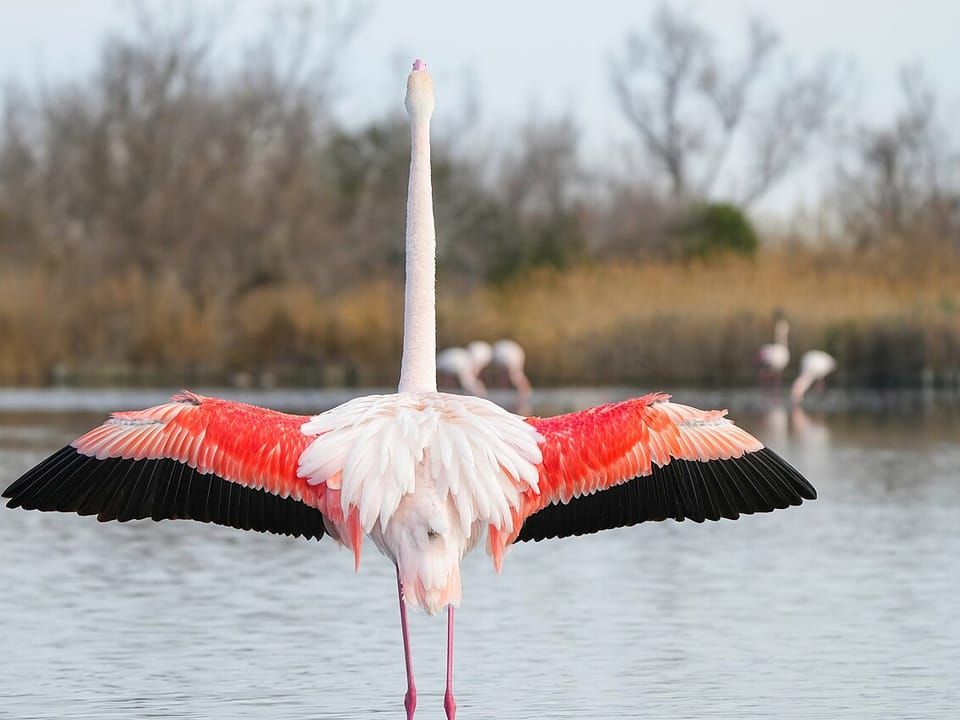
Greater Flamingo
100
6
60
2
2
Grade 1, 1 m
14 to 33
20 to 500
Javan Green Magpie
50
25
25
5
2
Grade 1, 1 m
18 to 33
1 to 2
Long-Eared Owl
250
50
50
40
5
Grade 2, 1 m
-14 to 36
1 to 2
Long-Tailed Parakeet
6
6
6
6
1
Grade 2, 1 m
18 to 33
2 to 12
Secretarybird
200
100
60
25
10
Grade 2, 1 m
14 to 36
1 to 2
Shoebill
200
200
50
15
5
Grade 2, 1 m
14 to 33
1 to 2
Toco Toucan
50
25
20
10
10
Grade 2, 1 m
14 to 36
1 to 2
White-Backed Vulture
475
100
60
25
10
Grade 2, 1 m
14 to 41
6 to 80
White-Tailed Sea-Eagle
400
200
50
50
10
Grade 2, 1 m
-20 to 28
1 to 2
Aquarium species: water space and salinity
37 species can live in an aquarium. The Zoopedia gives them a deep-water area instead of land, plus the salinity they accept. 16 of them can also be shown as exhibits. Building the tank itself, with filters, salinity, leaks and tankmates, is in our aquarium guide.
Show the table: all 37 aquarium species
Planet Zoo 2 aquarium species: deep-water area, salinity, temperature and group size, Frontier's Zoopedia, 20 October 2026
Salinity
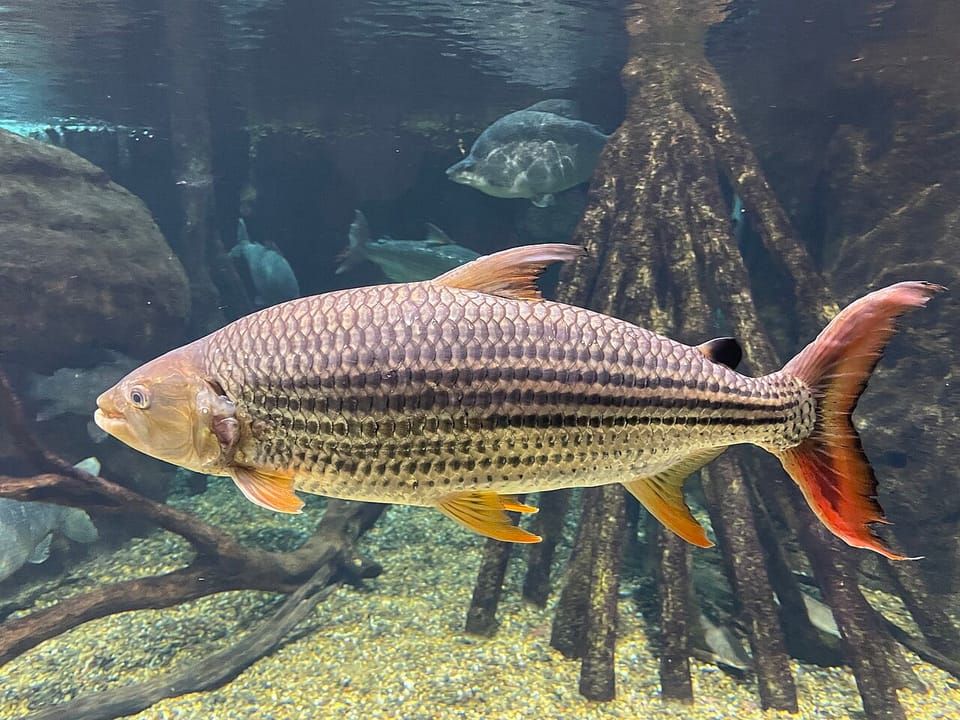
African Tigerfish
100
30
Freshwater
22 to 30
1 to 5
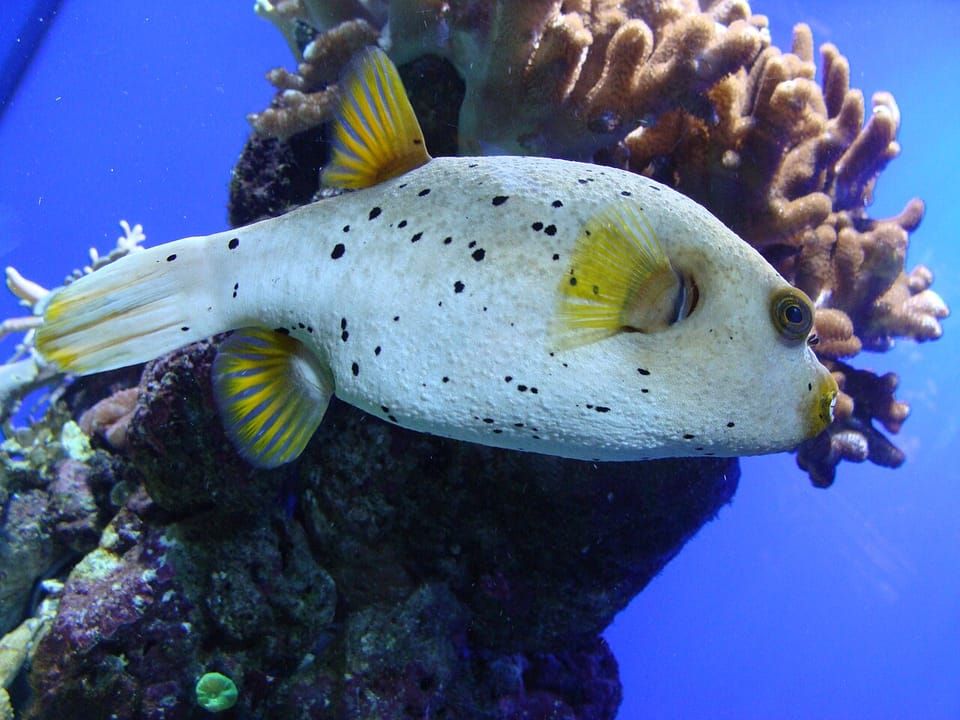
Blackspotted Puffer
16
40
Saltwater
23 to 27
1 to 4
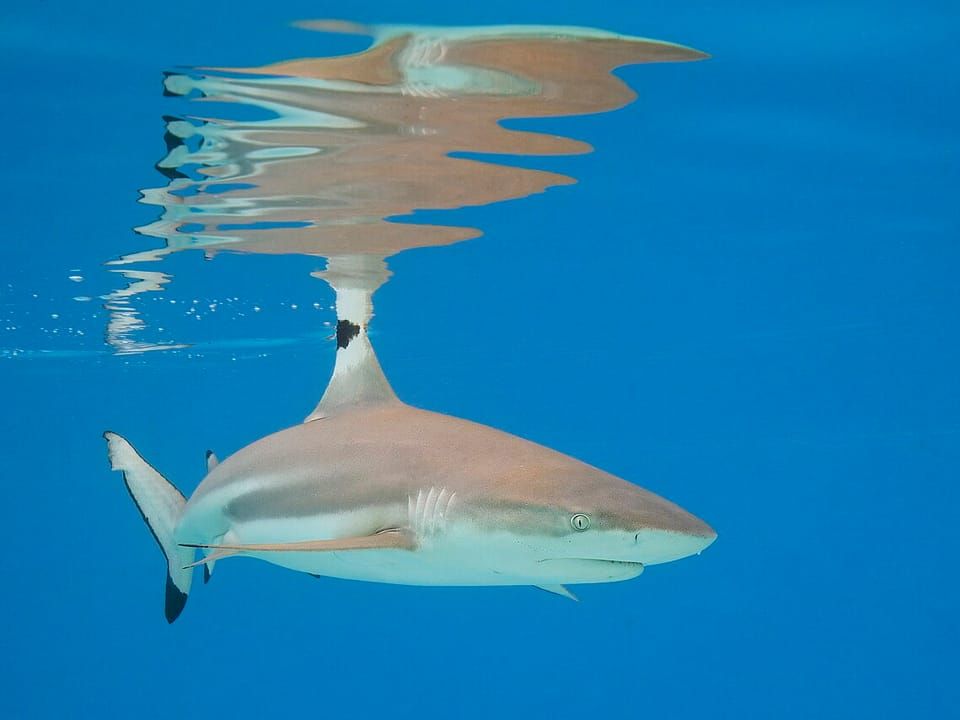
Blacktip Reef Shark
210
105
Saltwater
22 to 28
1 to 10
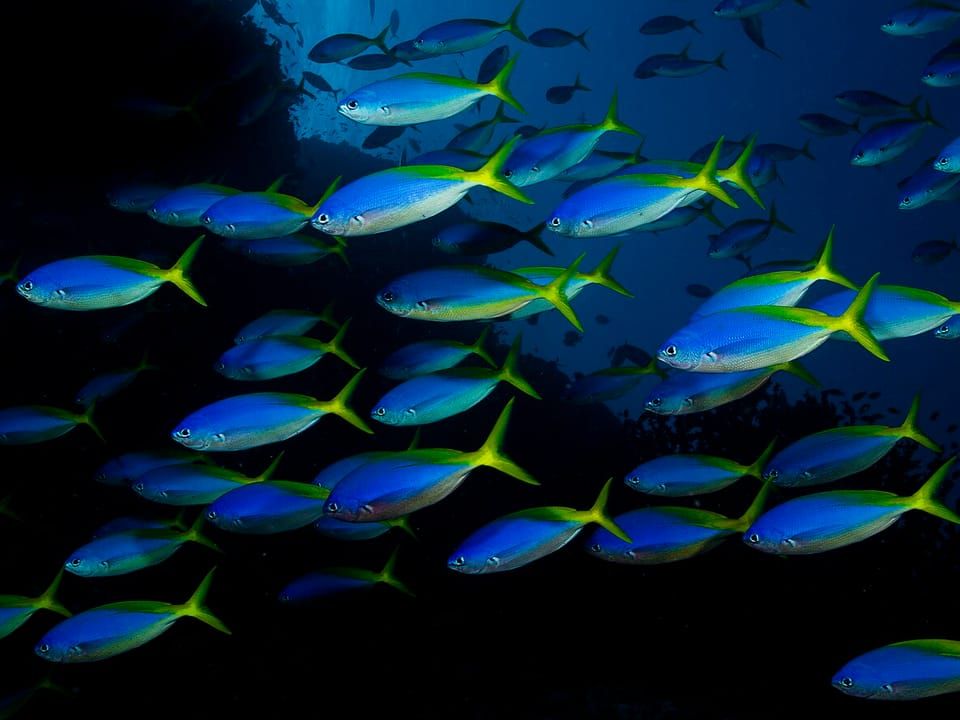
Blue and Gold Fusilier
50
15
Saltwater
21 to 31
1 to 4
Bluespine Unicornfish
50
15
Saltwater
24 to 29
1 to 5
Blunthead Cichlid
50
15
Freshwater
24 to 27
1 to 5
Boeseman's Rainbowfish
50
15
Freshwater
25 to 28
1 to 4
Brown Trout
50
15
Freshwater
12 to 19
1 to 5
Clown Anemonefish
50
15
Saltwater
24 to 28
1 to 5
Clown Loach
100
30
Freshwater
25 to 30
1 to 5
Clown Triggerfish
16
16
Saltwater
23 to 30
1 to 2
Common Rudd
50
15
Freshwater
18 to 24
1 to 4
Dolphinfish
400
50
Saltwater
24 to 28
1 to 4
Giant Gourami
100
30
Freshwater, Brackish
24 to 28
1 to 5
Giant Grouper
150
150
Brackish, Saltwater
24 to 29
1 to 5
Golden Trevally
100
30
Saltwater
24 to 30
1 to 5
Great Hammerhead
960
240
Saltwater
20 to 28
1 to 2
Hawksbill Turtle
100
25
Brackish, Saltwater
22 to 30
1 to 4
Humphead Wrasse
60
12.5
Saltwater
22 to 30
1 to 10
Indian Ocean Oriental Sweetlips
100
30
Saltwater
24 to 28
1 to 5
Indo-Pacific Leopard Shark
36
18
Saltwater
24 to 29
1 to 20
Indo-Pacific Sergeant
50
15
Saltwater
24 to 28
1 to 4
Javanese Cownose Ray
80
15
Brackish, Saltwater
24 to 30
5 to 40
Koi
50
15
Freshwater
18 to 25
1 to 5
Longfin Batfish
100
30
Saltwater
22 to 28
1 to 5
Ocean Sunfish
300
200
Saltwater
10 to 25
1 to 3
Ocellated Eagle Ray
180
45
Saltwater
24 to 27
1 to 16
Pacific Bluefin Tuna
200
60
Saltwater
17 to 26
1 to 5
Pacific Sardine
50
15
Brackish, Saltwater
15 to 26
1 to 3
Palette Surgeonfish
50
15
Saltwater
23 to 28
1 to 5
Red Lionfish
16
16
Saltwater
22 to 28
1 to 20
Sailfin Snapper
40
40
Saltwater
22 to 29
1 to 10
Sand Tiger Shark
420
240
Saltwater
16 to 28
2 to 6
Schooling Bannerfish
50
15
Saltwater
24 to 28
1 to 4
Threespot Damselfish
50
15
Saltwater
24 to 28
1 to 5
West Indian Manatee
20
5
Any Salinity
23 to 30
1 to 8
Yellow Tang
50
15
Saltwater
24 to 28
1 to 4
Exhibit animals: temperature and humidity
The 30 species that live only in exhibit cases have no land or water area. The Zoopedia gives a temperature range, a humidity range and a group size.
Show the table: all 30 exhibit-only species
Planet Zoo 2 exhibit-only species: temperature, humidity and group size, Frontier's Zoopedia, 20 October 2026
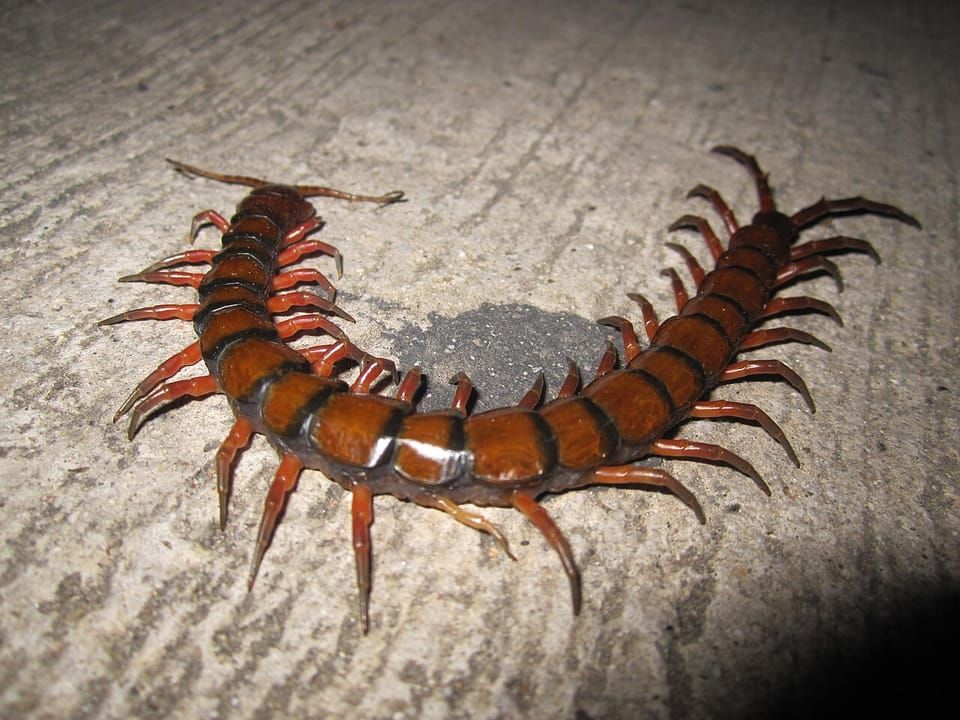
Amazonian Giant Centipede
23 to 29
50 to 84
1 to 2
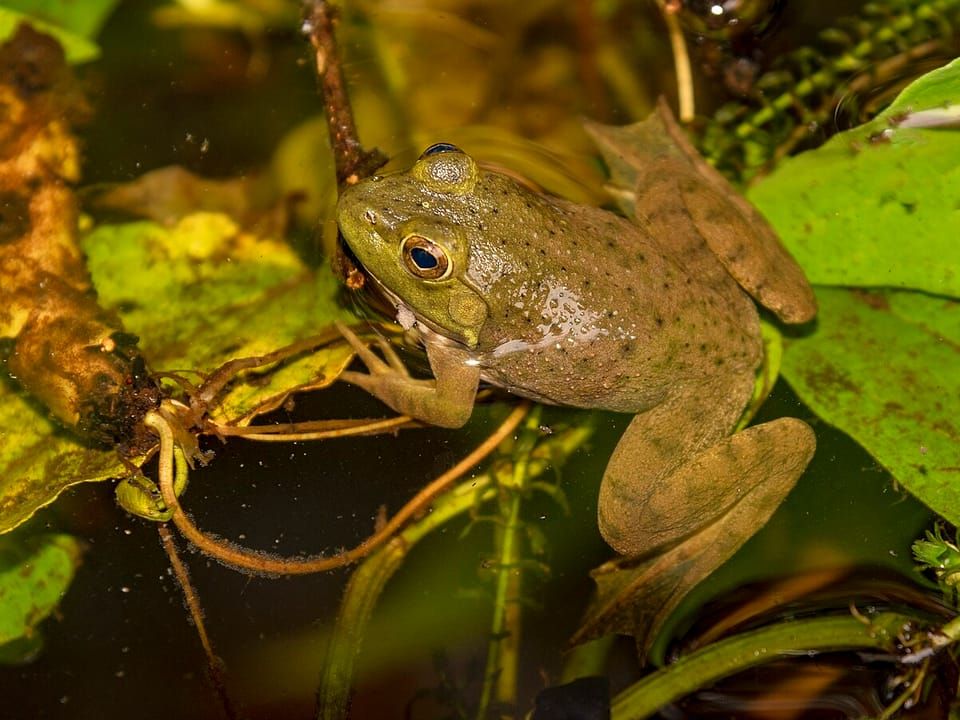
American Bullfrog
23 to 29
60 to 80
1 to 4
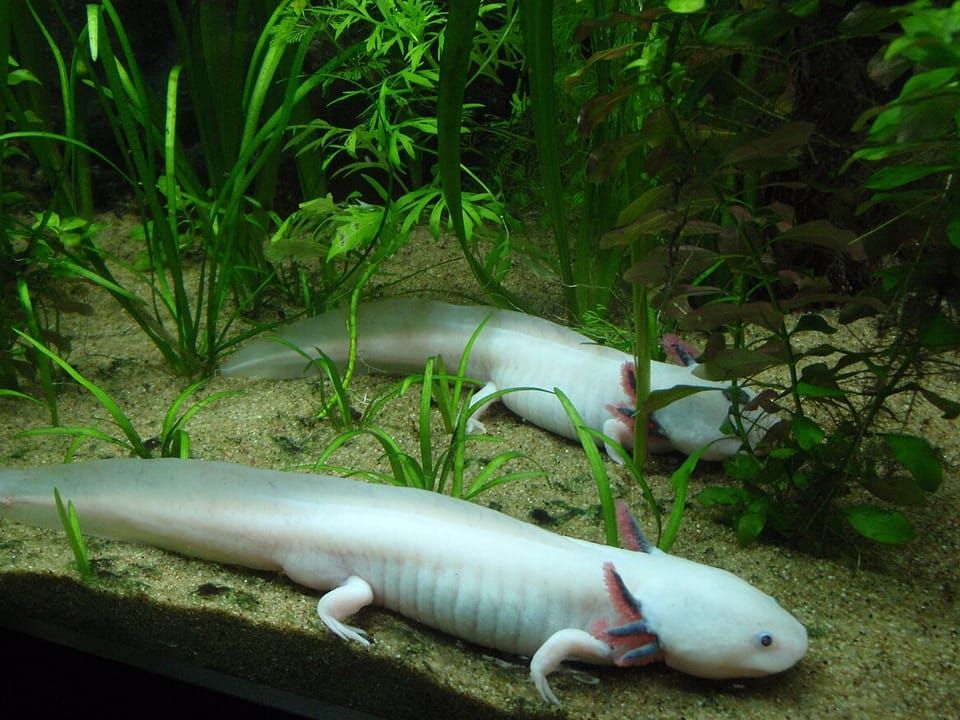
Axolotl
15 to 20
80 to 90
1 to 5
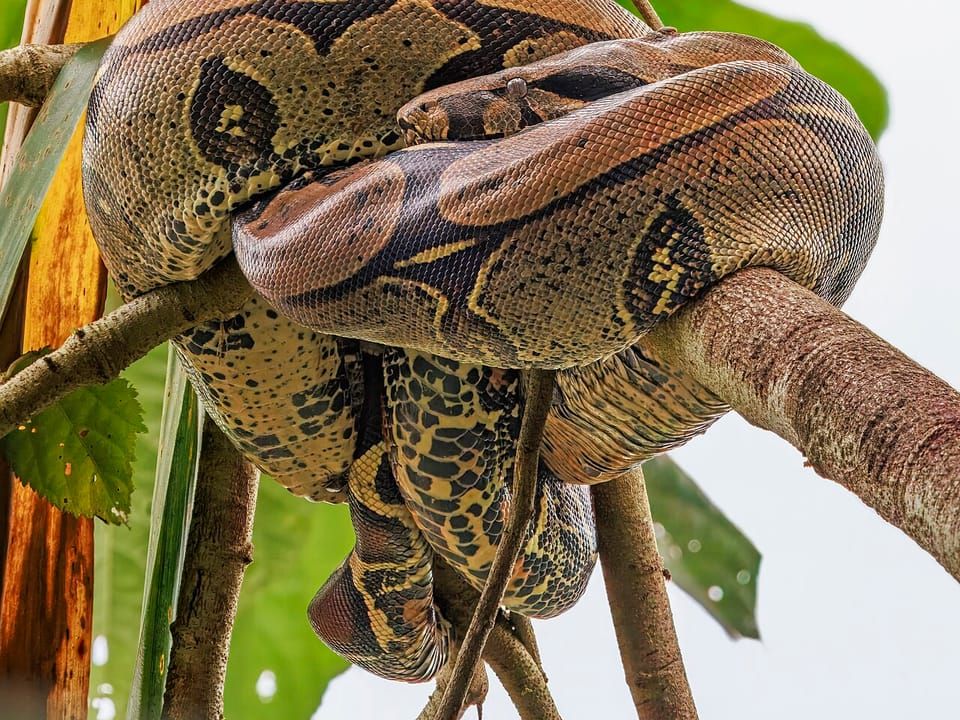
Boa Constrictor
23 to 31
60 to 80
1 to 2
Cloudless Sulphur
21 to 28
50 to 84
1 to 8
Common Bluetongue
25 to 35
50 to 60
1 to 2
Danube Crested Newt
12 to 25
55 to 75
1 to 6
Desert Horned Viper
23 to 31
15 to 25
1 to 4
Diamondback Terrapin
21 to 32
65 to 80
1 to 8
Eastern Brown Snake
23 to 29
60 to 85
1 to 5
European Peacock
18 to 25
60 to 80
1 to 8
Fire Salamander
15 to 24
60 to 75
1 to 6
Giant Forest Scorpion
21 to 30
65 to 85
1 to 6
Giant Malaysian Leaf Insect
22 to 30
50 to 70
1 to 2
Giant Slippery Frog
26 to 32
74 to 86
1 to 2
Giant Tiger Land Snail
20 to 28
70 to 80
1 to 3
Gila Monster
24 to 32
15 to 25
1 to 4
Golden Poison Frog
26 to 31
80 to 90
1 to 2
Goliath Beetle
23 to 36
40 to 60
1 to 3
Lehmann's Poison Frog
26 to 31
80 to 90
1 to 2
Menelaus Blue Morpho
21 to 35
65 to 85
1 to 8
Mexican Redknee
23 to 29
40 to 60
1 to 2
Monarch
21 to 30
40 to 60
1 to 8
Moon Jelly
9 to 19
80 to 90
1 to 3
Old World Swallowtail
18 to 24
40 to 60
1 to 8
Red-Eyed Tree Frog
26 to 31
80 to 90
1 to 5
Sacred Scarab Beetle
20 to 35
40 to 60
1 to 3
Sri Lankan Rose
21 to 35
40 to 60
1 to 8
Western Diamondback Rattlesnake
24 to 30
40 to 60
1 to 2
Yellow Anaconda
25 to 30
80 to 90
1 to 2
Which animals can share a habitat
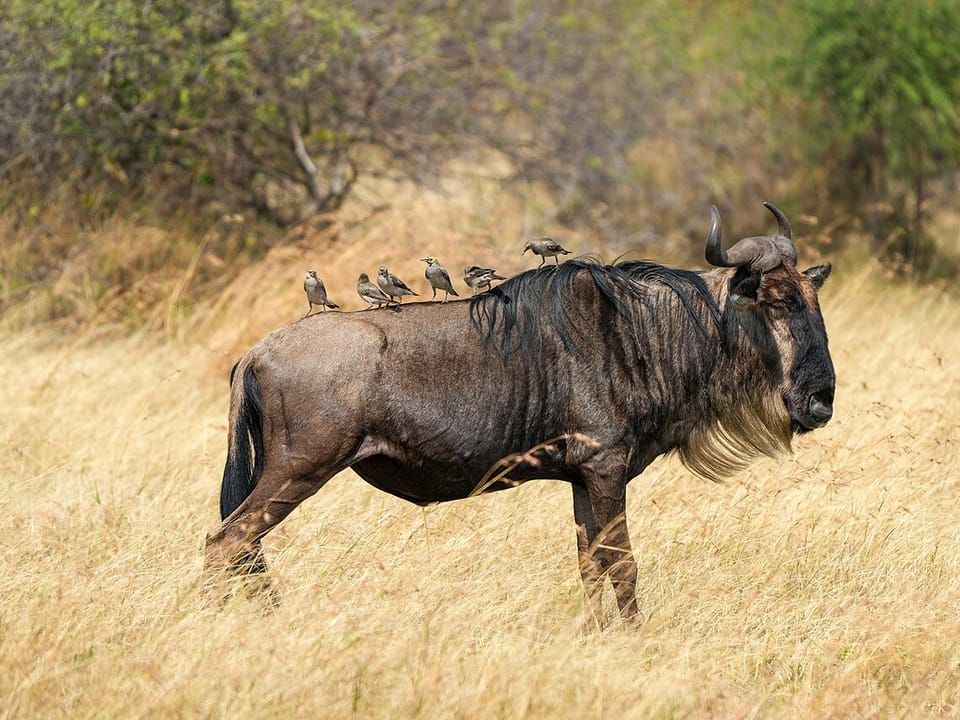
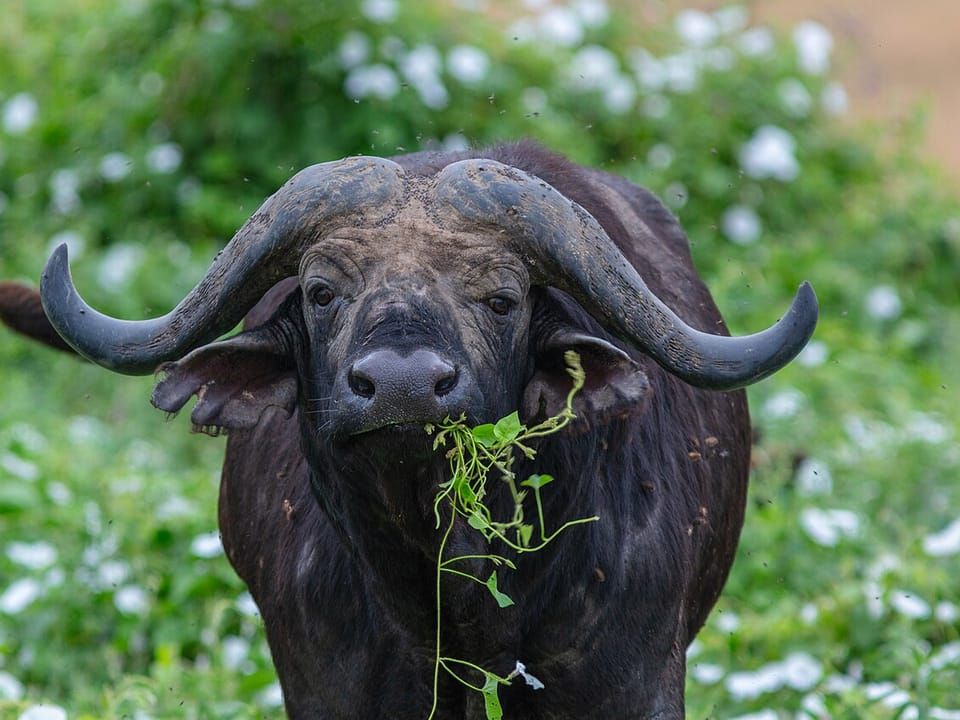
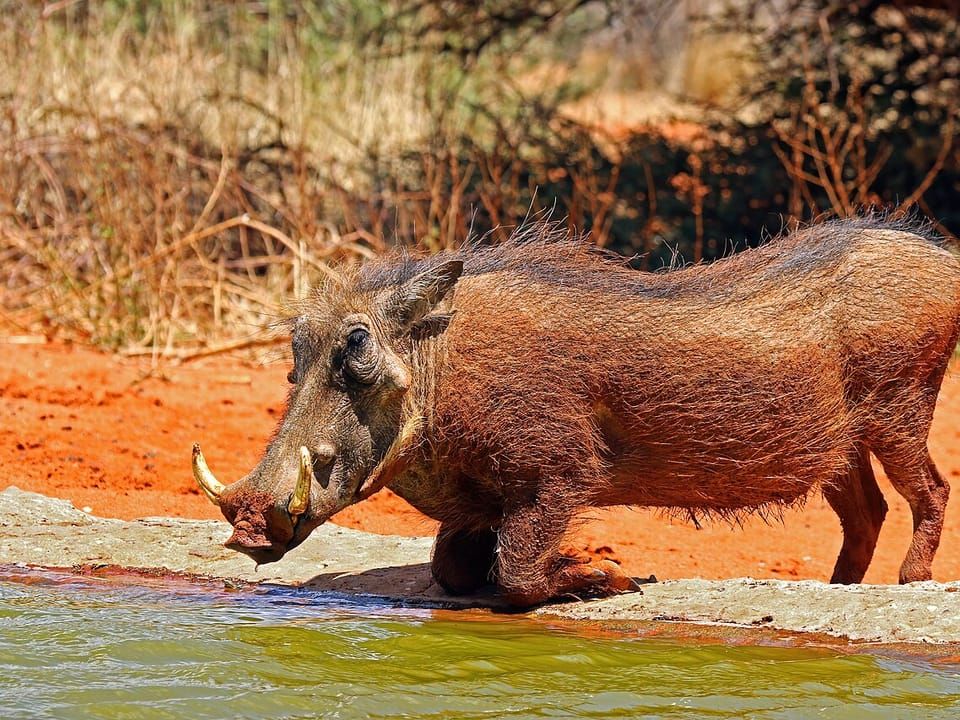
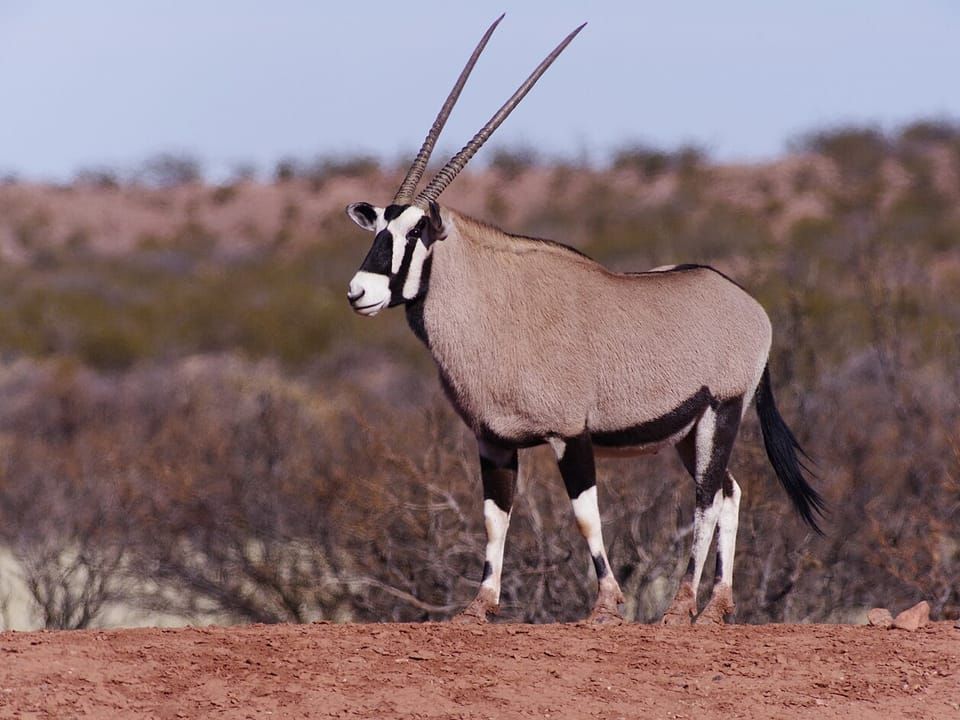
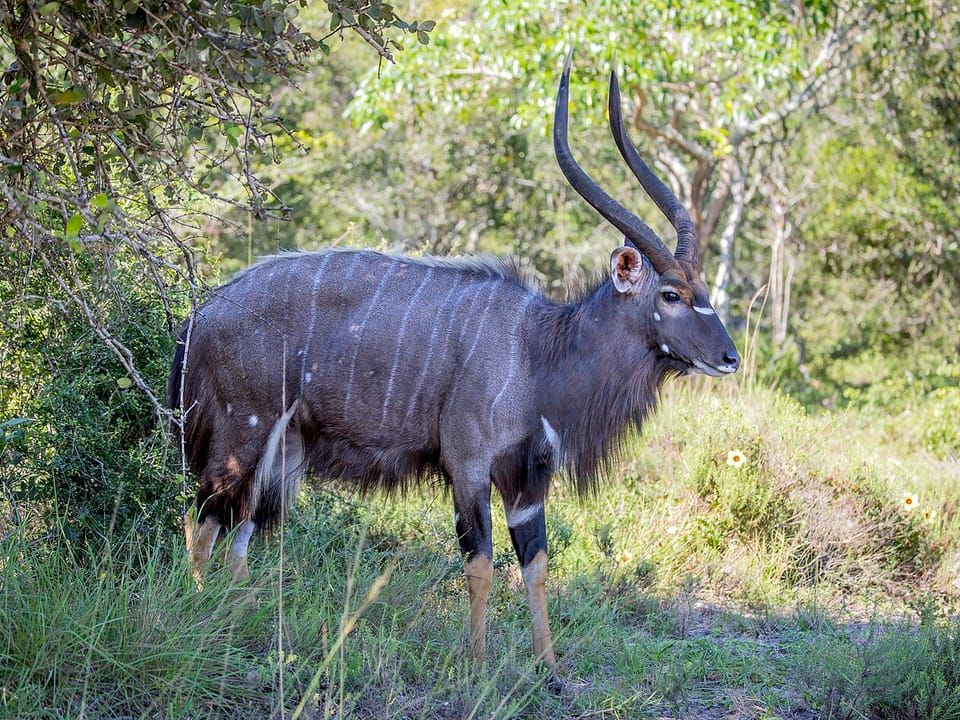
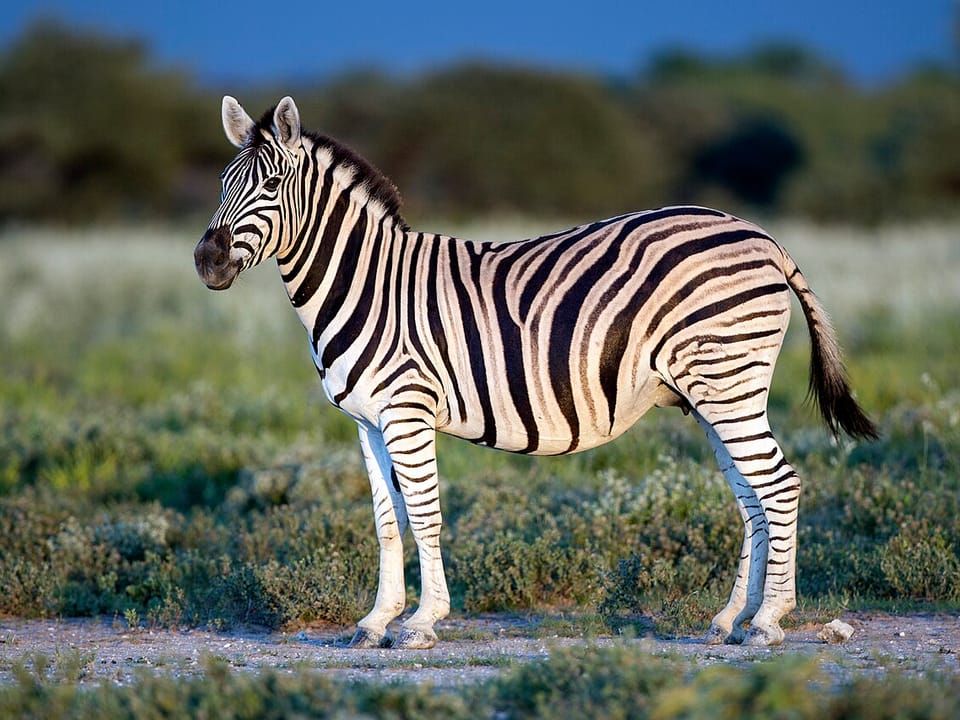
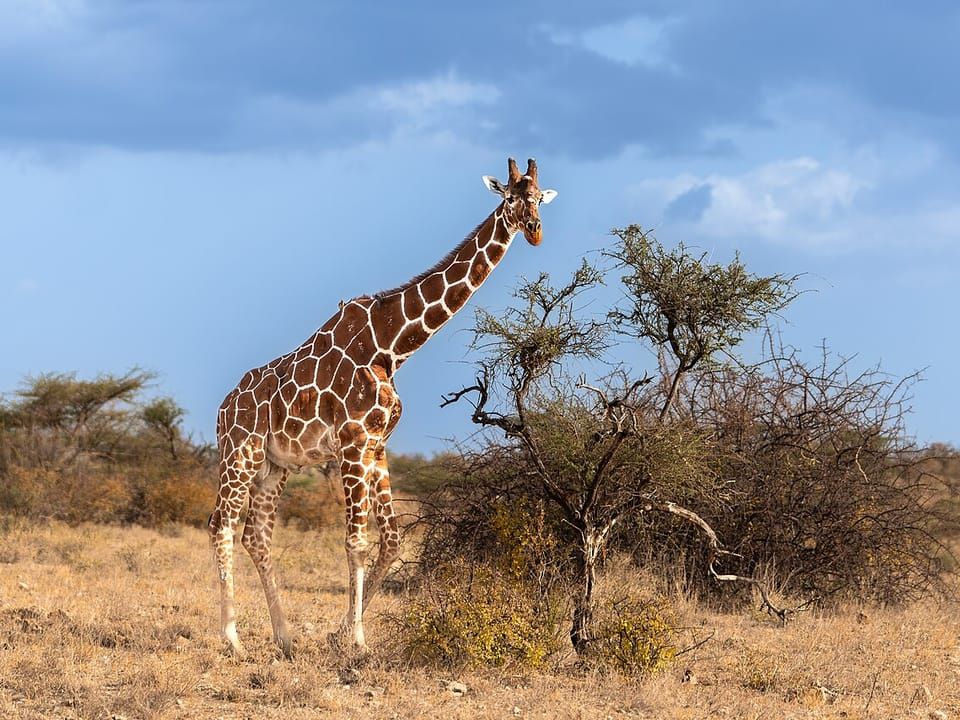
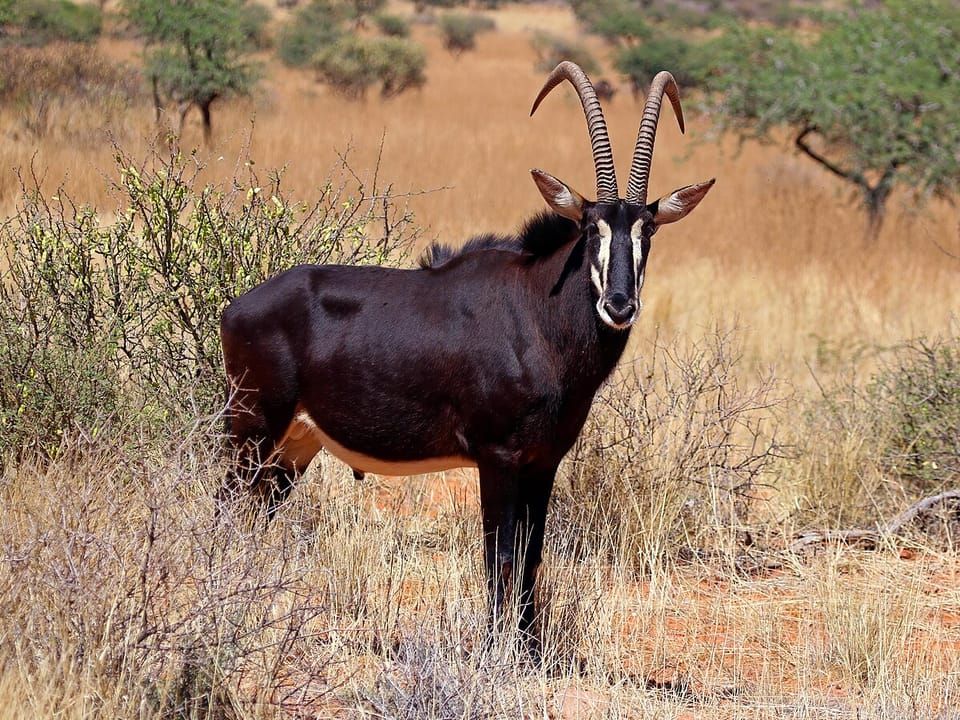
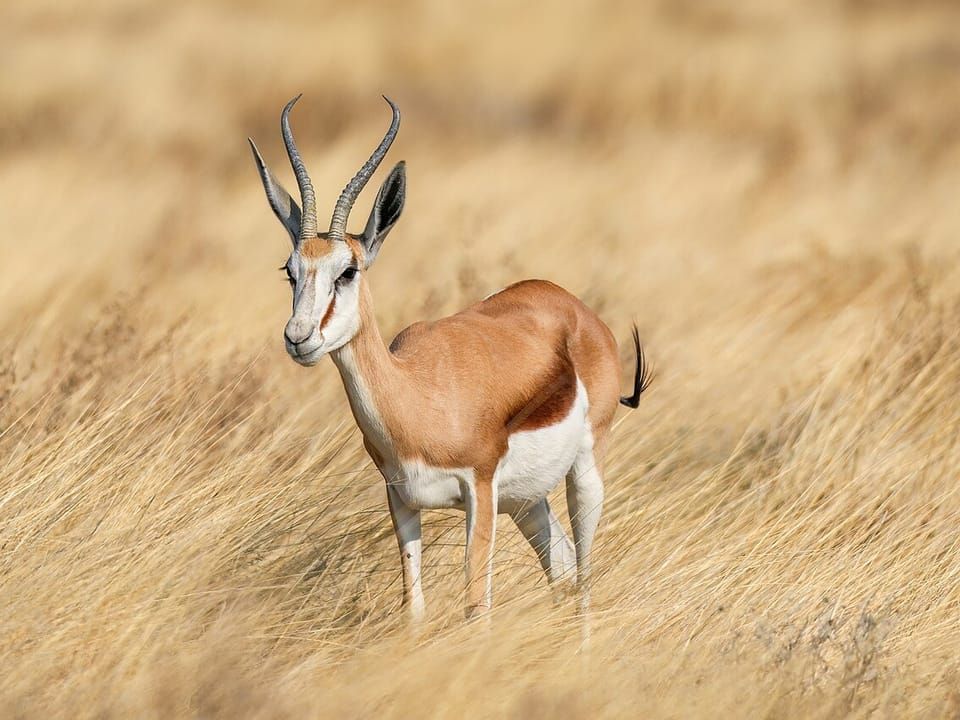
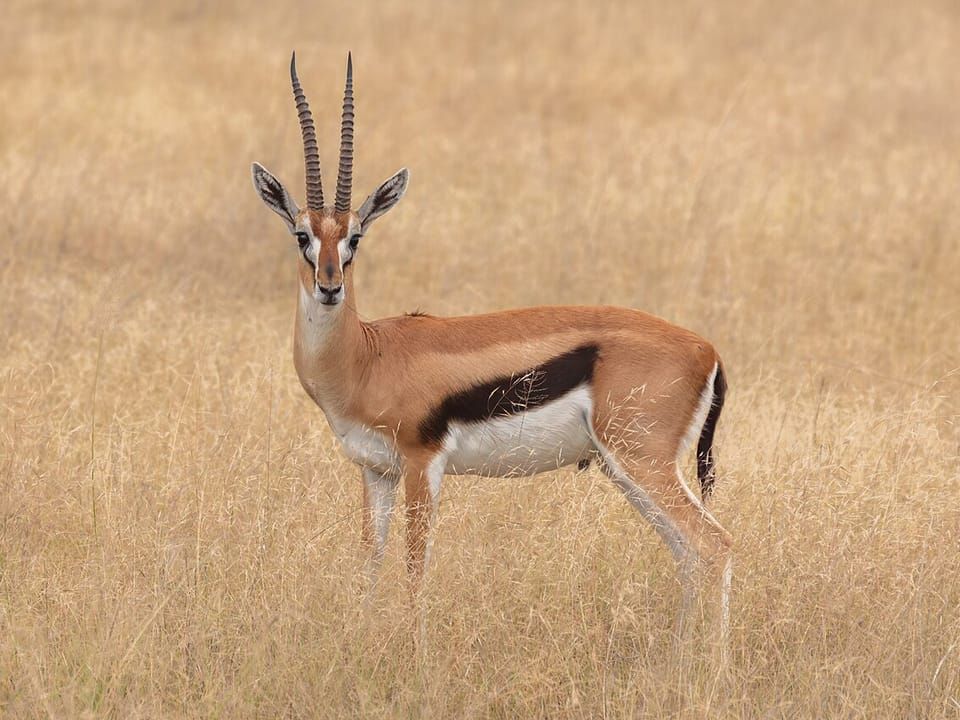
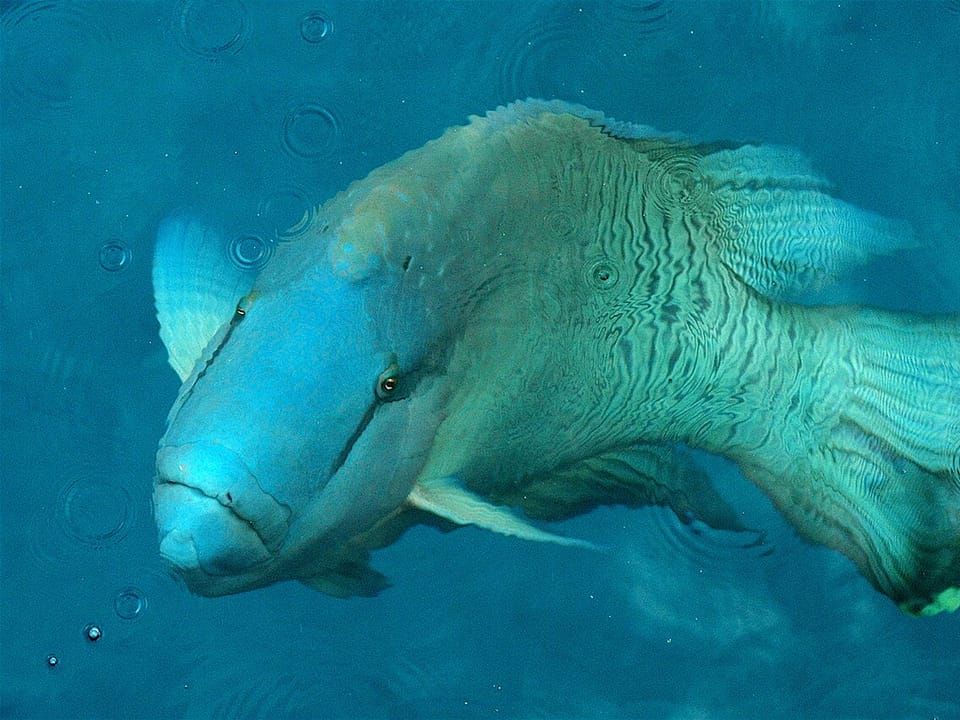
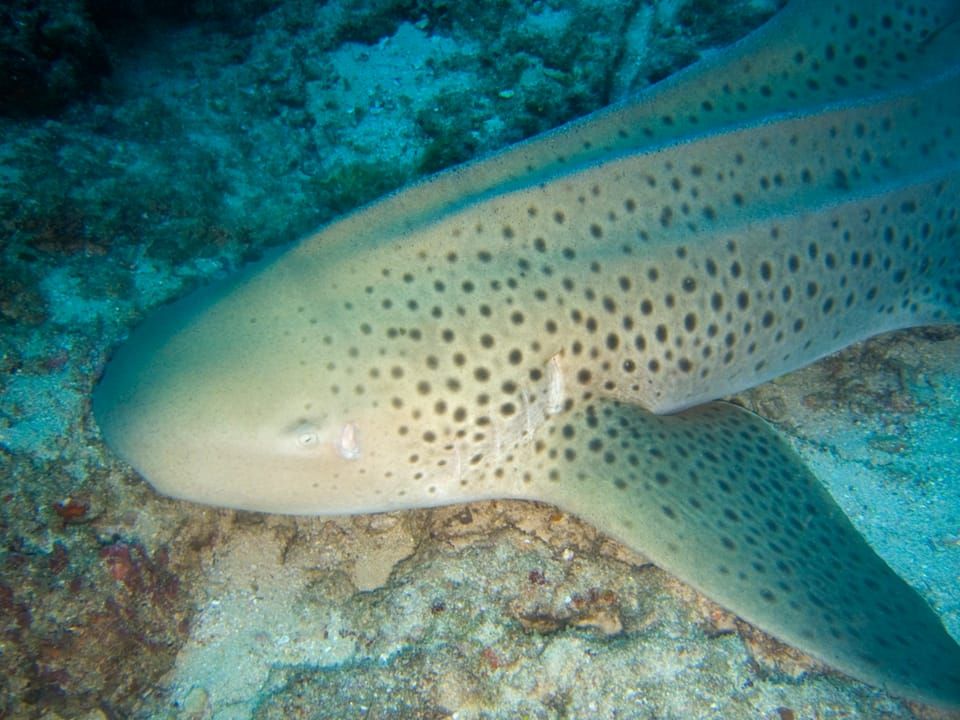
Each Zoopedia page lists "thriving" and "neutral" partners. Two groups stand out. In the savannah, 12 species each list 13 thriving partners: Black Wildebeest, Blue Wildebeest, Cape Buffalo, Common Warthog, Gemsbok, Masai Giraffe, Nyala, Plains Zebra, Reticulated Giraffe, Sable Antelope, Springbok and Thomson's Gazelle. Their lists also name the Common Ostrich and White-Backed Vulture, which list the same animals as neutral rather than thriving. In aquariums, 4 reef species list 11 thriving partners: Humphead Wrasse, Indo-Pacific Leopard Shark, Javanese Cownose Ray and Ocellated Eagle Ray. Most other aquarium fish list a dozen neutral partners and no thriving ones.
Black Wildebeest
Blue Wildebeest
Cape Buffalo
Common Warthog
Gemsbok
Masai Giraffe
Nyala
Plains Zebra
Reticulated Giraffe
Sable Antelope
Springbok
Thomson's Gazelle
The savannah group: these 12 species each list 13 thriving partners. Photos: credits.
Humphead Wrasse
Indo-Pacific Leopard Shark
Javanese Cownose Ray
Ocellated Eagle Ray
The reef group: 4 aquarium species with 11 thriving partners each. Photos: credits.
On land, the largest neutral community is Asian forest: Asian Small-Clawed Otter, Great Hornbill, Javan Green Magpie, Long-Tailed Parakeet, Malayan Tapir, North Sulawesi Babirusa, Siamang and Sumatran Orangutan each list the other seven and the Wild Boar as neutral. Smaller pairings:
Neutral partners for habitat and aviary species with short lists, Frontier's Zoopedia, 20 October 2026
Species
Neutral partners
Aardvark
Meerkat, Common Warthog
African Savannah Elephant
Masai Giraffe, Reticulated Giraffe, Black Rhinoceros
Where they come from. Every figure is the one Frontier prints on that species' page of the Planet Zoo 2 Zoopedia, read on 20 October 2026. No figure is estimated or averaged, and we copy no Frontier text or images. A change in a game patch can make a figure here stale until we read the pages again.
What "for one animal" means. The Zoopedia habitat builder opens with one adult in the plan and adds the extra-animal figure for each animal you add. That is why a Lion reads 810 m² on its page even though Frontier prefers lions in groups of 2 to 30. The calculator starts at four animals so the first result already includes extras.
Group sizes. The group column is the Zoopedia's preferred group range, not a hard cap. Some species also limit males or females in a mixed group; the calculator shows those limits.
The climb-proof flag. It is in the data Frontier's site loads for each species page, next to barrier grade and height, but the page does not display it. We show it as Frontier's data has it. Treat it as a prompt to check that species in the game, not as a tested rule.
What is not here. Terrain mixes, enrichment, diet and breeding data sit on each Zoopedia page and are not repeated. For the full animal list with biome, region and Planet Zoo 1 comparison, see the Planet Zoo 2 animal list. For which PC runs the game, see the system requirements.
Common questions
How big does a lion habitat need to be in Planet Zoo 2?
Frontier's Zoopedia lists a minimum of 810 m² of land for one adult Lion, 110 m² for each extra lion and 10 m² of shelter per animal. The Zoopedia's preferred group is 2 to 30, so a pair needs 920 m² of land and 20 m² of shelter. The barrier must be grade 3 and at least 3 m high, and the comfortable temperature is 14 to 41 °C.
How do I work out the space for more than one animal?
Land, flight, climbable and water areas follow one rule: the figure for one animal plus the extra-animal figure for each animal after the first. Shelter is the per-animal figure times the number of animals. Four lions need 1,140 m² of land (810 + 3 × 110) and 40 m² of shelter. This is the arithmetic Frontier's Zoopedia habitat builder uses; the calculator on this page repeats it.
What do the barrier grade and height mean?
The Zoopedia lists each species' barrier as a strength grade and a minimum height in metres, and we print both exactly as listed. Across the 57 habitat species there are 5 at grade 1, 32 at grade 2, 14 at grade 3 and 6 at grade 4. The Zoopedia page does not name the barrier pieces that meet each grade, so confirm the strength of the piece you build in the game.
Which animals are flagged climb-proof?
The data behind Frontier's Zoopedia flags 18 species as climb-proof: African Leopard, Binturong, Eurasian Brown Bear, Eurasian Lynx, Giant Panda, Golden Lion Tamarin, Goodfellow's Tree-Kangaroo, Grizzly Bear, Lion, Ring-Tailed Lemur, Siamang, Snow Leopard, Sumatran Orangutan, Sumatran Tiger, Sun Bear, Sunda Pangolin, Western Chimpanzee and Western Lowland Gorilla. The species page does not print this flag, so we show it as the data has it and cannot say from the Zoopedia alone what it changes in the game.
Which Planet Zoo 2 animals can live together?
Frontier's Zoopedia lists "thriving" and "neutral" partners for each species. The widest thriving group is the savannah: 12 species each list 13 thriving partners. In the aquarium, 4 reef species list 11. The mixed-species section above gives the lists.
Where do these numbers come from?
From the species pages of Frontier's Zoopedia on planetzoogame.com, read on 20 October 2026. We have not checked every value in the game client, and Frontier can change numbers in a patch, so the in-game habitat builder has the last word.
Each source was opened and checked on 14 October 2026. Frontier's own pages are the authority; if they change, they take precedence over this page.
Frontier, Planet Zoo 2 Zoopedia: The 136 species pages: "Minimum habitat requirements" (land, shelter, climbable, flight and water areas, barrier grade and height, temperature, humidity, salinity), preferred group ranges and thriving and neutral partners; read 20 October 2026